

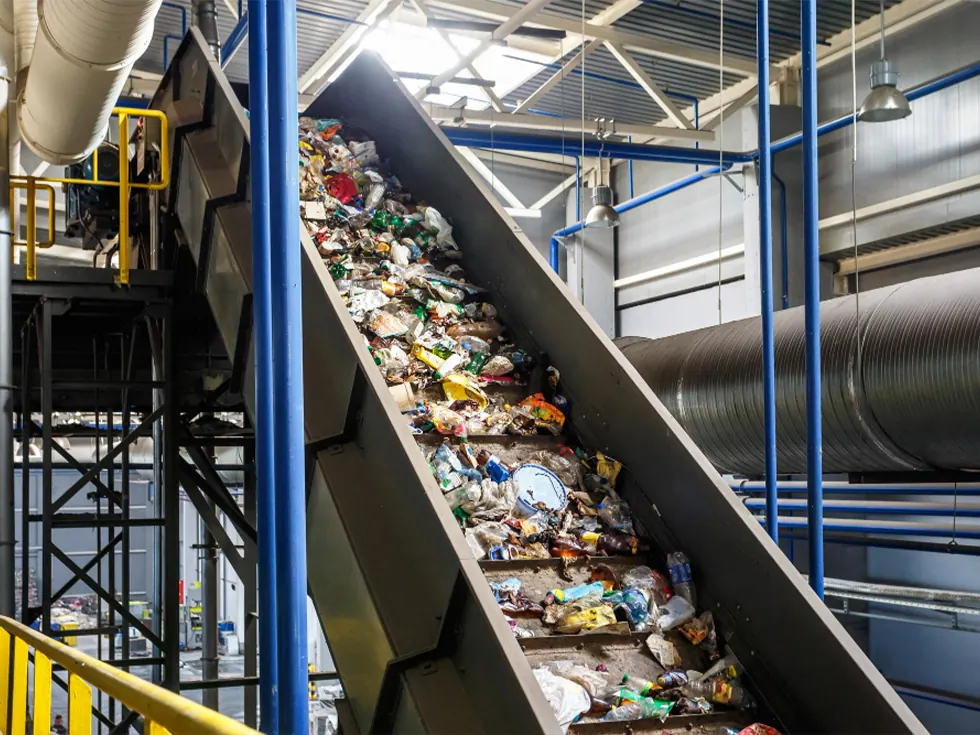
Growing populations and changing consumption habits have made waste management more important than ever. In high-traffic buildings such as residential complexes, shopping malls, hospitals and office buildings, in-building waste sorting systems play a critical role in both environmental sustainability and operational efficiency.
By separating waste at source, these systems speed up recycling and reduce costs.
How Do In-Building Waste Sorting Systems Work?
In-building waste sorting systems are integrated solutions that collect different types of waste (plastic, paper, glass, organic and so on) through separate lines. They typically work with the following components:
- Floor-level waste collection units
- Chute systems or transport channels
- Central sorting and storage areas
- Automation and sensor systems
This structure keeps waste separated and managed in an orderly, hygienic way.
Benefits of In-Building Waste Sorting Systems
- Higher recycling rates
- Better cleanliness and hygiene standards
- Reduced staff workload
- Faster waste collection
- Long-term cost savings
In large buildings in particular, these systems make day-to-day operations considerably easier.
Where Are They Used?
- Residential projects and complexes
- Shopping malls
- Hospitals and healthcare facilities
- Hotels and tourism facilities
- Factories and production plants
- Business centres and office towers
In all of these settings, orderly waste management matters for both the environment and the user experience.
Smart Waste Management with Tuna Makina Otomasyon
Based in Gebze, Kocaeli, Tuna Makina Otomasyon offers modern, tailor-made solutions for in-building waste sorting:
- Project-specific system design
- Mechanical and automation integration
- Installation and commissioning
- Technical service and maintenance
Our engineering capabilities allow us to build systems that can be applied both to new projects and to existing buildings.
Why Install a Professional Waste Sorting System?
Unplanned, manual waste management leads to lost time and high costs. With a professional system:
- Waste is separated at source
- Recycling processes speed up
- Environmental impact is reduced
- Operating costs are kept under control
- Corporate sustainability goals are supported
Conclusion
In-building waste sorting systems have become an essential part of modern buildings. Well-planned, professionally implemented systems contribute to the environment and give operators long-term advantages.